SpaceX Starship outfitted with upgraded Raptor engines for Wed. static fire
SpaceX installed three redesigned Raptor engines on Starship SN15 at its Texas launch site, targeting a delayed static-fire test on Wednesday, April 21.
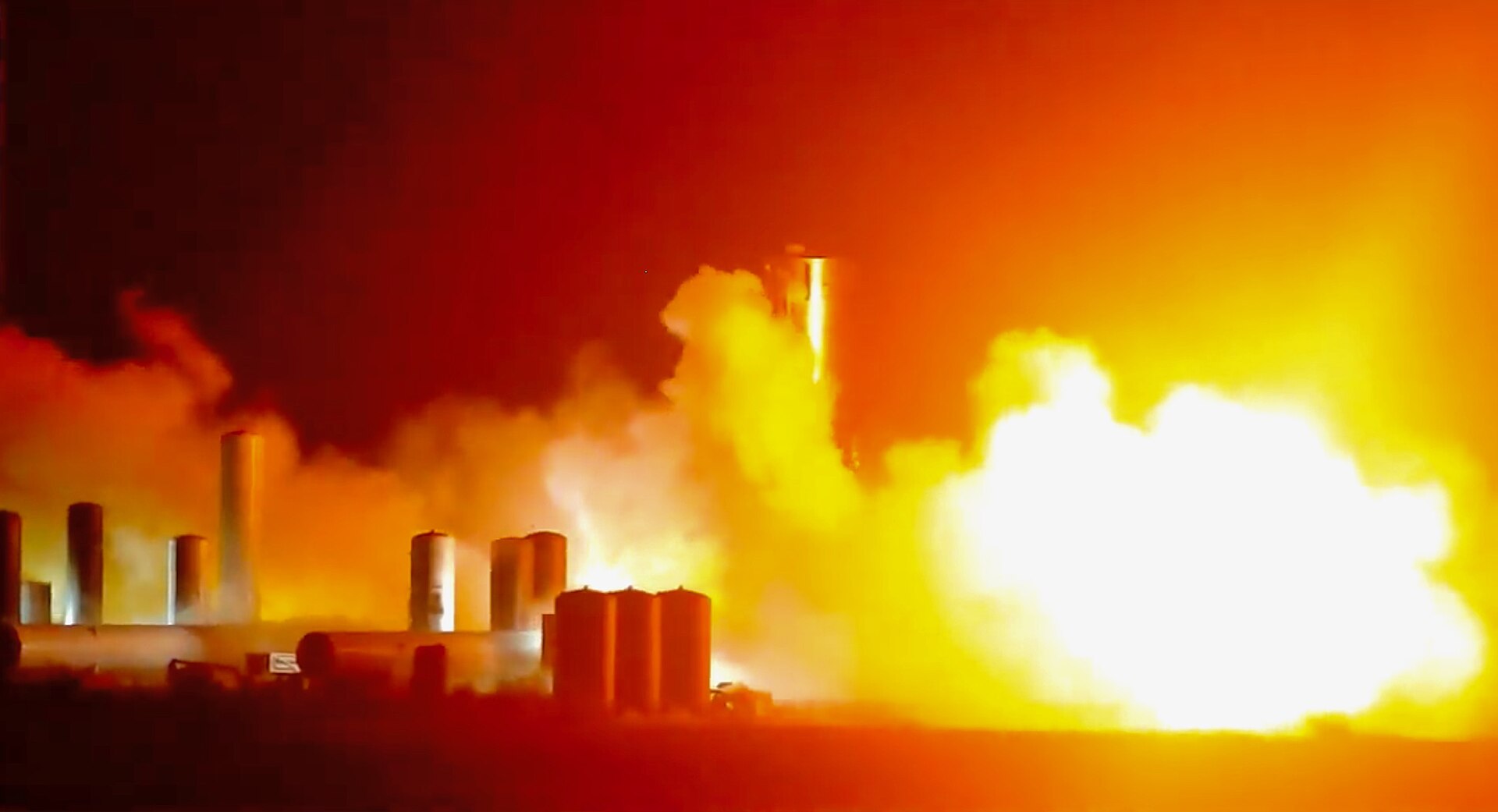
SpaceX has equipped its Starship SN15 prototype with three upgraded Raptor engines and is now targeting a static-fire test no earlier than Wednesday, April 21, according to reporting from Teslarati that tracked road closures at the company's Starbase site in South Texas. The test was originally scheduled for Monday but was pushed back.
The three engines — serial numbers SN54, SN61 and SN66 — were transported to the launch pad on April 15. SN61 and SN66 were installed quickly, while SN54 needed additional work at SpaceX's build site before it was installed on April 19, per the outlet's reporting.
Coverage describes SN15 as carrying 'hundreds of improvements' over earlier Starship prototypes, including a redesigned Raptor engine. Teslarati noted visible differences in plumbing layout and components suggesting refinements across the engine design, though the reporting available does not specify every individual change.
How SN15 compares to its predecessors
If the Wednesday static fire succeeds, SN15 will have completed the test roughly 13 days after arriving at the launch pad — faster than predecessors SN9 and SN11, which each took about 14 days to reach their first three-engine static fire, according to the outlet's tracking of the vehicle's pad timeline.
What the test is meant to show
A static fire ignites the engines while the vehicle remains anchored to the pad, letting SpaceX verify engine performance before a flight attempt. The upgraded Raptors on SN15 represent an early step in an engine redesign that the company continued refining in the vehicles that followed.
Why this prototype carried extra weight
Teslarati's later coverage of the static-fire campaign noted SN15 was following four prototypes that had each been destroyed during high-altitude test flights: SN8 and SN9 were lost on impact during landing attempts, SN10 exploded a few minutes after an initial successful-looking touchdown, and SN11 broke apart moments after its landing-engine ignition. SN15's redesign — including the upgraded Raptors being installed for the Wednesday static fire — was built specifically to address the failure modes that destroyed those four vehicles, according to the outlet's reporting.
Teslarati reported SpaceX completed the static fire on Monday, April 26, igniting the three Raptors for a few seconds at roughly 5 p.m. Central time, then ran a second static fire within about 24 hours of the first. Elon Musk said at the time SpaceX was aiming to fly SN15 the same week, with the vehicle targeting the same roughly 10-kilometer altitude profile — ascent, a controlled bellyflop, and a landing-flip maneuver — that had proven fatal to its predecessors.
How the redesign paid off
SN15 went on to fly on May 5, 2021, and became the first Starship prototype to complete a high-altitude test flight without crash-landing or exploding, according to SYFY Wire's coverage of the landing. The vehicle "settled gently back on terra firma with nary an explosion to be heard," the outlet reported, though a small fire burned at its base for a few minutes after touchdown before it was contained -- a contrast with three earlier prototypes that had erupted in flames after similar test flights.
US In News compiled this archived account from contemporaneous coverage by Teslarati and SYFY Wire's reporting on SN15's later flight outcome. It restores a story originally published on this site in April 2021; figures are as reported at the time.