Senator Feinstein says she'll continue to serve after report of memory issues
Feinstein defended her Senate service after a San Francisco Chronicle report described colleagues' concerns over her declining memory, attributing recent difficulty to grief over her husband's death.
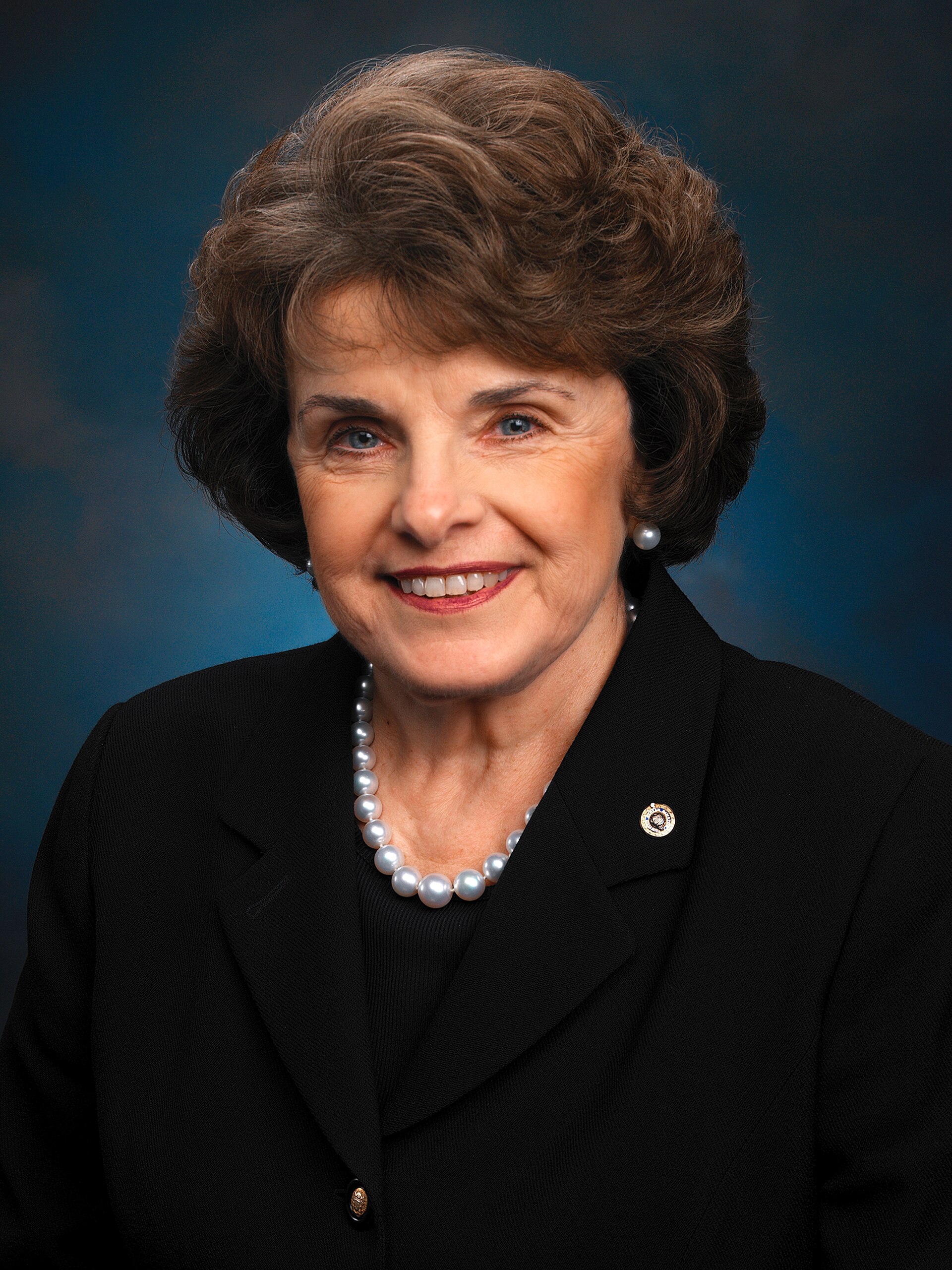
Senator Dianne Feinstein said on May 4, 2022 that she intends to continue serving, responding to a San Francisco Chronicle report in which anonymous lawmakers and former staffers described her memory as "rapidly deteriorating." The Times of Israel's report on the response noted the Chronicle's sources said Feinstein had struggled to recognize longtime colleagues, recall recent conversations, and retain policy details, and that discussions were often repeated.
Feinstein, then 88, said in a statement: "It's true the last year has been difficult caring for my dying husband and grieving over his passing, but I've remained committed to achieving results and I would put my record up against anyone's. If the question is whether I'm an effective senator for 40 million Californians, the record shows that I am." She attributed the difficult period to the death of her husband, Richard Blum, from cancer in February 2022.
The underlying Chronicle sources, as characterized in the reporting reviewed, said the described episodes were not constant, and some lawmakers reported observing no decline at all — the coverage does not resolve which characterization is more accurate, only that both were offered.
The framing: colleagues split publicly
House Speaker Nancy Pelosi and California's junior senator, Alex Padilla, publicly disputed the memory-decline characterization, saying Feinstein continued to execute her responsibilities "well," according to the reporting. Other unnamed lawmakers were described as reporting no observed change in her performance.
It's true the last year has been difficult caring for my dying husband and grieving over his passing, but I've remained committed to achieving results and I would put my record up against anyone's.
What it signals
Feinstein's statement did not dispute that she had experienced a difficult year — she confirmed it — while disputing the inference that the difficulty translated into an inability to serve. Framing the response around grief rather than a flat denial of the underlying anonymous accounts left the two claims (a hard year vs. declining capacity) distinct rather than conflated, even as her stated position was that she had no plans to leave office before her term ended in 2024.
US In News compiled this archived account from contemporaneous coverage by the Times of Israel, citing the San Francisco Chronicle's original reporting. It restores a story originally published on this site in May 2022; figures are as reported at the time.