Senate acquits Trump in second impeachment trial
A 57-43 vote fell 10 short of conviction after seven Republicans joined Democrats, closing the trial over the Jan. 6 Capitol attack.
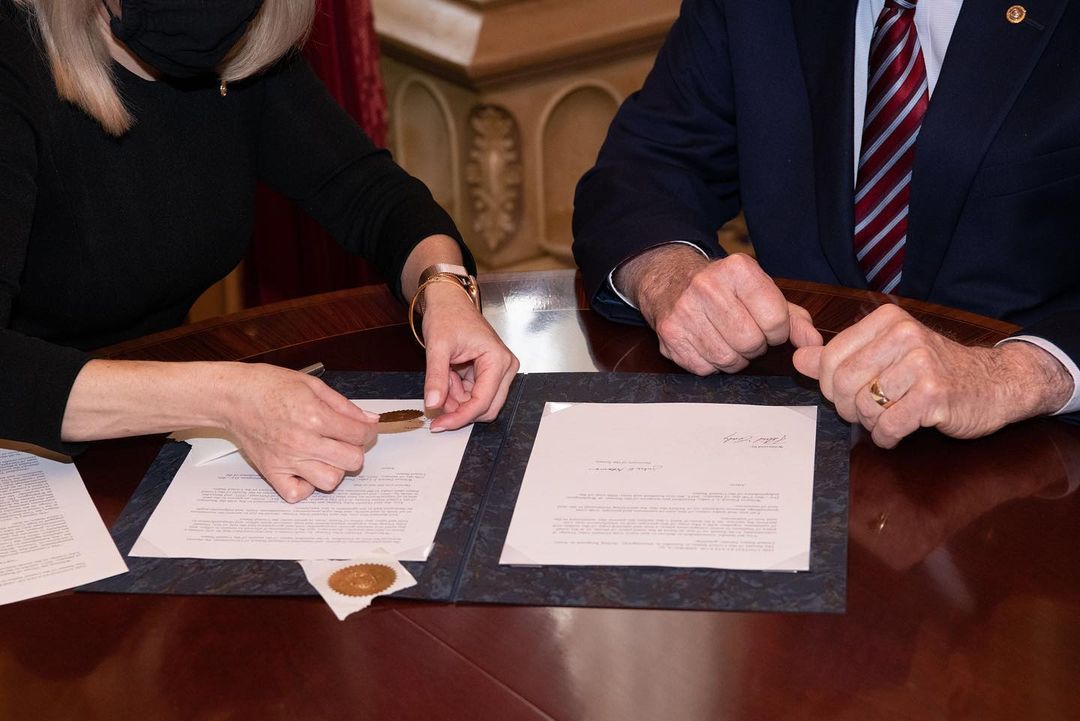
The Senate voted 57-43 on Feb. 13, 2021, to acquit former President Donald Trump on a single article of impeachment charging him with incitement of insurrection, CNN and NBC News reported, ending the fastest presidential impeachment trial in U.S. history. The tally fell 10 votes short of the two-thirds majority needed for conviction under the single charge tied to the Jan. 6 attack on the Capitol.
Seven Republicans crossed party lines to vote guilty alongside all 50 Democrats, according to CNN's account of the vote — short of the 67 votes required. Senate Minority Leader Chuck Schumer called the acquittal "a vote of infamy in the history of the United States Senate" and praised the Republicans who voted to convict, per CNN's reporting.
Coverage from CNN and NBC News agreed on the final tally and the outcome, and both outlets reported that the trial proceeded despite Republican objections that a former president could not constitutionally be tried after leaving office — an argument Senate Minority Leader Mitch McConnell cited in explaining his own vote to acquit even as he condemned Trump's conduct.
What the trial argued
House impeachment managers, led by Rep. Jamie Raskin, argued the evidence that Trump incited the mob was "overwhelming," telling senators "none of this would have happened without the president," according to CNN's coverage of the trial. The single article of impeachment stemmed from Trump's rally remarks ahead of the Capitol riot and his conduct as the building was breached, which CNN reported included Trump telling supporters as the violence unfolded, "We love you. You're very special," before asking them to go home.
McConnell's dissent within acquittal
McConnell's floor remarks after the vote drew wide attention because he voted to acquit on procedural grounds while simultaneously condemning Trump in unusually blunt terms. He said there was "no question" Trump was "practically and morally responsible for provoking the events of that day," per CNN, but argued Trump was "constitutionally not eligible for conviction" because he had already left office by the time the trial began.
What it signals
The split verdict — a majority voting guilty but well short of conviction — left Trump legally cleared while leaving his own party's Senate leader on record blaming him for the attack. That combination meant the trial resolved the immediate legal question of a second impeachment without resolving the political argument over Trump's role in the Capitol riot, an argument that continued to shape Republican politics well beyond the verdict itself.
US In News compiled this archived account from contemporaneous coverage by CNN and NBC News. It restores a story originally published on this site in February 2021; figures are as reported at the time.