Pentagon says some Russian jets are avoiding Ukraine's airspace during sorties to avoid being shot down
A senior U.S. defense official said Russia is flying roughly 200 sorties a day connected to Ukraine but that many jets never cross into Ukrainian airspace, firing missiles from the Russian side of the border instead.
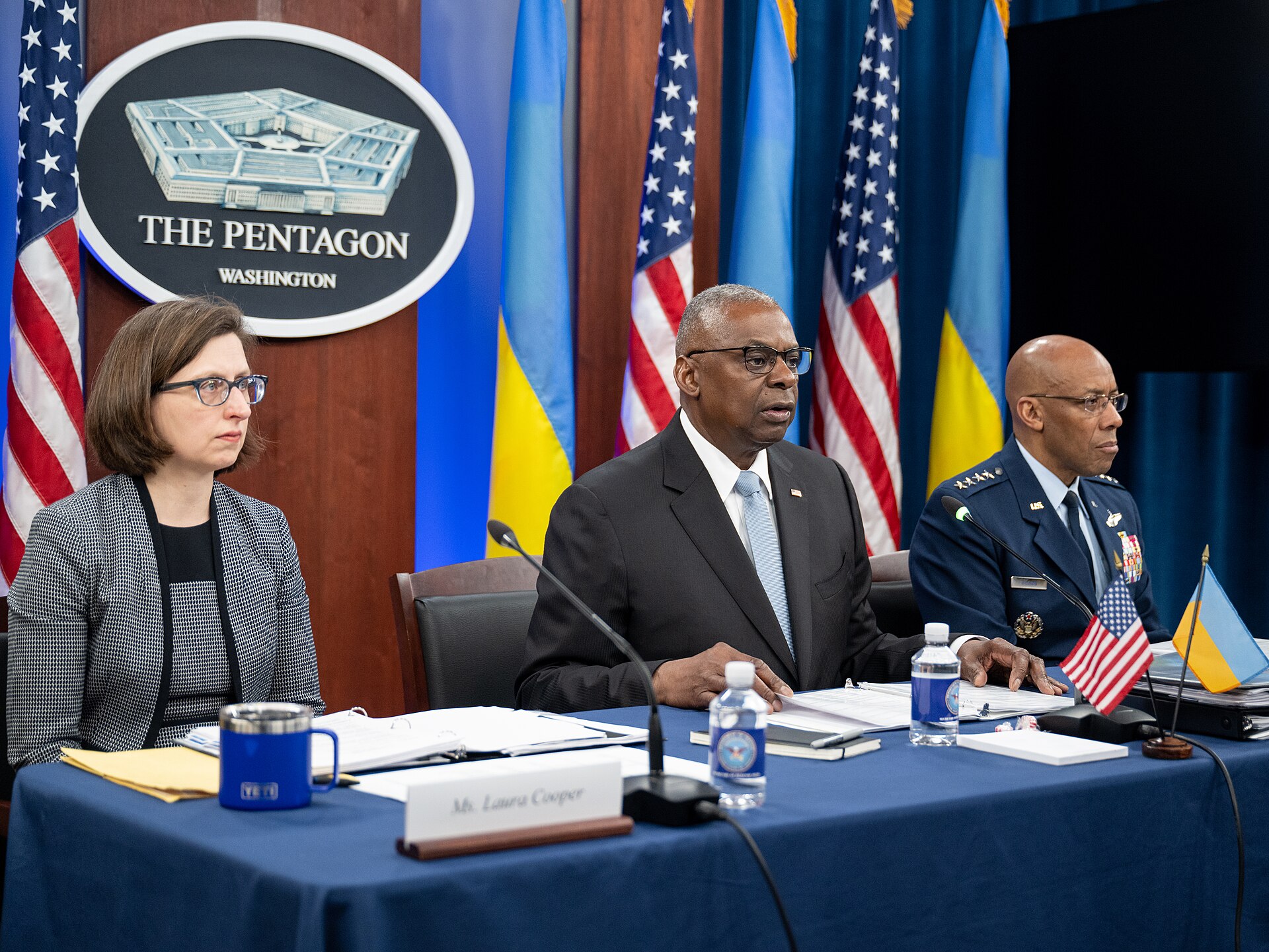
A senior U.S. defense official said some Russian fighter jets are avoiding Ukrainian airspace altogether during combat sorties, apparently to stay out of range of Ukraine's air defenses. The official told reporters that Russia is flying approximately 200 sorties a day connected to the war in Ukraine, but that a portion of those flights never cross the border, with pilots instead firing long-range missiles into Ukraine from bombers and fighters still over Russian territory.
By contrast, the official said, Ukraine is flying only five to ten sorties a day, drawing on a fleet the Pentagon assesses at roughly 56 operational warplanes. Despite that numerical disadvantage, the official described Russian pilots as showing "a general risk aversion and a cautiousness in the air," even though Russian forces have SAM, or surface-to-air missile, coverage across much of the country.
Why Ukraine's smaller air force is inflicting caution
They are not using their fixed-wing fighter aircraft very much.
That was the official's characterization of Ukraine's own approach — leaning less on its limited jet fleet and more on mobile ground-based air defense. "They're moving stuff around. They're being very nimble, and it's proven effective," the official said of Ukrainian SAM and shoulder-fired missile crews relocating frequently to avoid being targeted. The official also pointed to drones as a low-cost force multiplier: "They have made effective use of drones, which are cheap. They can fly below radar coverage."
Disputed kill claims
Ukraine's own military has claimed to have shot down 57 Russian aircraft and seven drones since the invasion began, a figure the U.S. official's briefing did not confirm and that the reporting retrieved for this account describes as unverified. The Pentagon has also rejected a Polish proposal to transfer MiG-29 fighter jets to Ukraine and has ruled out sending Patriot air-defense systems, citing concerns about escalating the conflict.
What it signals
A Pentagon official volunteering that the numerically superior air force is the more cautious one is a notable admission: it suggests Ukraine's mobile, dispersed air-defense posture — rather than its jet fleet — was, in the Pentagon's assessment weeks into the invasion, already shaping how Russia was willing to fight in the air. It also foreshadowed a pattern that persisted through the war: Russia's air force, despite its size advantage, would rely heavily on stand-off weapons fired from its own territory rather than contesting Ukrainian airspace directly.
US In News compiled this archived account from contemporaneous coverage by Defense One and Business Insider. It restores a story originally published on this site in March 2022; figures are as reported at the time.