Lawmakers demand enforceable heat standard for workers amid dangerously high temperatures
Sen. Sherrod Brown is pressing OSHA for a national workplace heat rule, citing estimates of 700 heat-related worker deaths and 170,000 injuries a year.
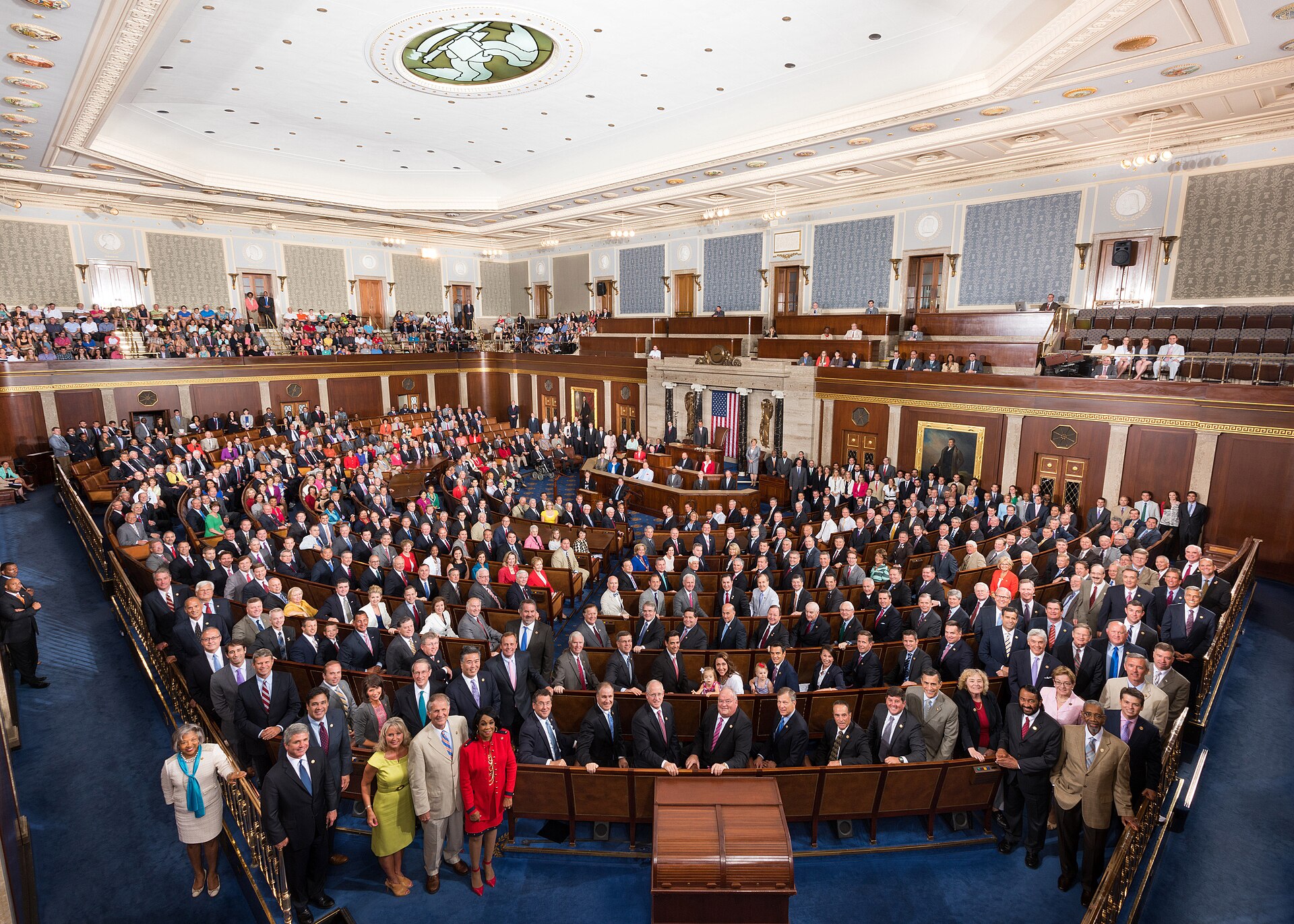
Ohio Sen. Sherrod Brown is pushing for a national workplace heat standard as dangerously high temperatures spread across the U.S., arguing that "almost no level of government has guidelines in place to help workers," according to WHIO.
Brown is urging the Occupational Safety and Health Administration to require employers to provide adequate hydration, regular rest breaks, shaded rest areas for outdoor workers, and air-conditioned rest areas for indoor workers, per WHIO's reporting. Research from the advocacy group Public Citizen, cited in the coverage, estimates that heat stress kills 700 workers a year and causes 170,000 injuries and illnesses.
The retrieved report does not indicate whether OSHA had, at the time of publication, committed to a timeline for finalizing a federal heat rule.
The legislation behind the push
Brown's advocacy tied to a specific bill: on July 26, 2023, he joined Sen. Alex Padilla of California, Sen. Catherine Cortez Masto of Nevada, and Reps. Judy Chu, Bobby Scott, Raul Grijalva and Alma Adams in introducing the Asuncion Valdivia Heat Illness, Injury and Fatality Prevention Act (S.2501/H.R.4897), according to Brown's Senate office. The bill directs the Secretary of Labor to issue an occupational safety and health standard requiring employers to provide workers exposed to hazardous heat with water, rest in shade or a cool location, and acclimatization policies for new or returning workers.
The bill is named for Asuncion Valdivia, a farmworker who died in 2004 after picking grapes for ten hours in 105-degree heat; his employer, according to Brown's office, told his son to drive him home rather than call an ambulance, and Valdivia died of heat stroke on the way at age 53. More than 120 organizations signed a letter supporting the legislation, per Public Citizen, the advocacy group whose worker-death and injury estimates also underpinned the WHIO report.
A one-day, seven-lawmaker push
The same week, Cortez Masto separately led 112 members of Congress in a letter urging the Biden administration to implement a federal OSHA heat standard as quickly as possible, according to her Senate office, showing the push extended well beyond Brown's home-state advocacy into a broader multi-state congressional effort timed to the same wave of summer heat WHIO's Ohio-focused report described.
The case for a federal standard
Brown's push centers on a patchwork problem: without a national rule, protections for outdoor and indoor workers exposed to extreme heat vary by state, and most states have none at all, according to WHIO. Prolonged heat exposure is linked to increased deaths from heart attacks, respiratory illness and cerebrovascular disease, per the report.
A worker's account
Construction worker Bryant Beaudry described his employer's current heat precautions to WHIO: "Usually the first day is not too bad but after that, definitely a few more breaks," he said, adding that his employer "supplies us with water and anytime we need to we can sit in the truck, in the air."
What it signals
Brown's appeal reflects a recurring gap in U.S. workplace-safety law: heat, unlike many other occupational hazards, has no binding federal exposure limit, leaving the protections Beaudry described — water access, shade, indoor air conditioning — dependent on individual employer policy rather than regulatory mandate. That leaves worker safety during heat waves resting on the same voluntary measures Brown says are inconsistently applied nationwide.
US In News compiled this archived account from contemporaneous coverage by WHIO. It restores a story originally published on this site in July 2023; figures are as reported at the time.