Intel's 14th Gen Core 'Raptor Lake Refresh' launched in October, with the same prices as its predecessors
Intel released the Core i9-14900K, i7-14700K and i5-14600K on October 17, 2023, an incremental update to 13th Gen Raptor Lake that kept launch pricing flat while adding four extra efficiency cores to the i7.
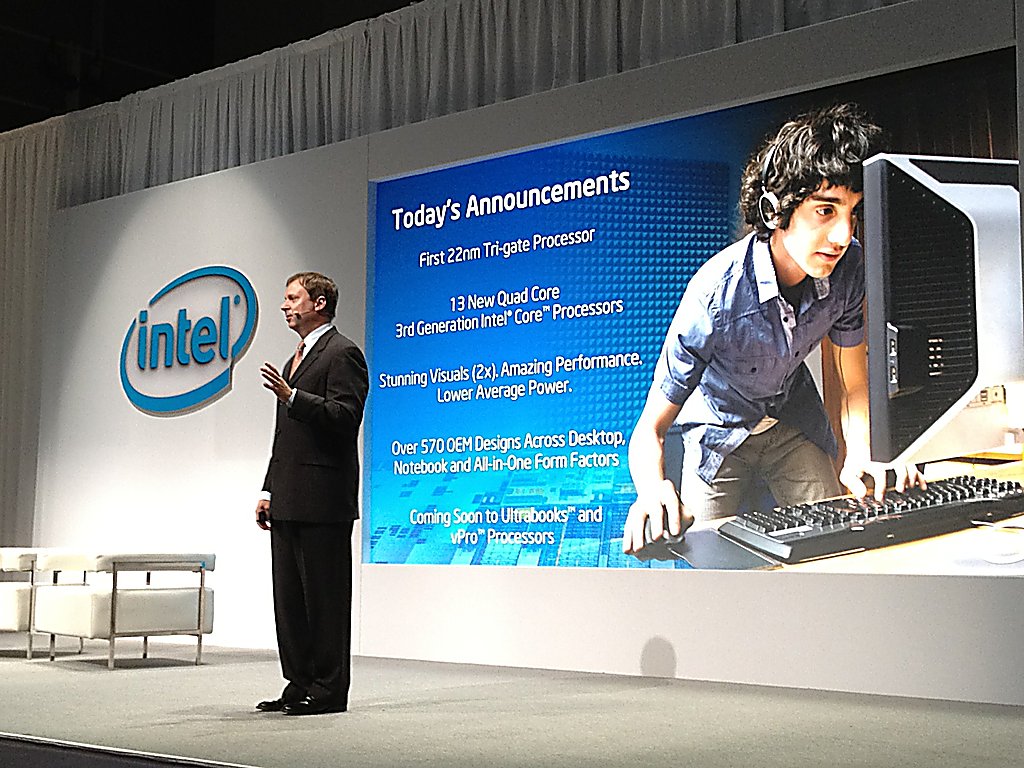
Intel launched its 14th Gen Core desktop processors -- the Core i9-14900K, Core i7-14700K and Core i5-14600K, along with their integrated-graphics-free "KF" counterparts -- on October 17, 2023, according to TechSpot. The lineup, widely referred to as a "Raptor Lake Refresh" because it reuses the same core architecture as 13th Gen rather than a new design, launched at the same prices as its 13th Gen predecessors.
TechSpot reported the Core i9-14900K launched at $589, with the integrated-graphics-free KF variant at $564; the Core i7-14700K launched at $409 ($384 for the KF model); and the Core i5-14600K launched at $319 ($294 for the KF chip). Intel marketed the flagship i9-14900K as "the fastest desktop processor at volume," per TechSpot, noting the specialty 13900KS from the prior generation could exceed 6 GHz at stock but was never produced at volume.
What changed under the hood
According to TechSpot's specifications, the flagship Core i9-14900K carries 8 performance cores and 16 efficiency cores for 32 threads total, with a 6.0 GHz max boost clock. The Core i7-14700K carries 8 performance cores and 12 efficiency cores for 28 threads, with 61MB of total cache versus 54MB on the prior-generation part. The Core i5-14600K carries 6 performance cores and 8 efficiency cores for 20 threads, with a 5.3 GHz boost clock.
The most notable architectural change, per TechSpot's reporting, was to the Core i7-14700K: its count of efficiency cores rose from eight in the 13th Gen Core i7-13700K to twelve in the new chip, while the flagship i9 and the i5 kept their prior core-count structure. TechSpot reported Intel's own performance expectation for the refresh as "mid-to-upper single-digit percentage" gains over 13th Gen Raptor Lake.
What the refresh signals
Launching at flat pricing with modest, single-digit performance gains and one chip's added efficiency cores as the headline change, the 14th Gen desktop launch continued a pattern Intel had signaled in earlier reporting: rather than a new microarchitecture, this generation reused Raptor Lake's design as a stopgap refresh, competing on price-for-performance parity rather than a generational leap.
US In News compiled this archived account from contemporaneous coverage by TechSpot. It restores a story originally published on this site in October 2023; figures are as reported at the time.