How NASA takes notes in space
The Fisher Space Pen, first demonstrated on Apollo 7 in 1968, is still hand-built in Boulder City, Nevada, and remains standard equipment on crewed NASA missions.
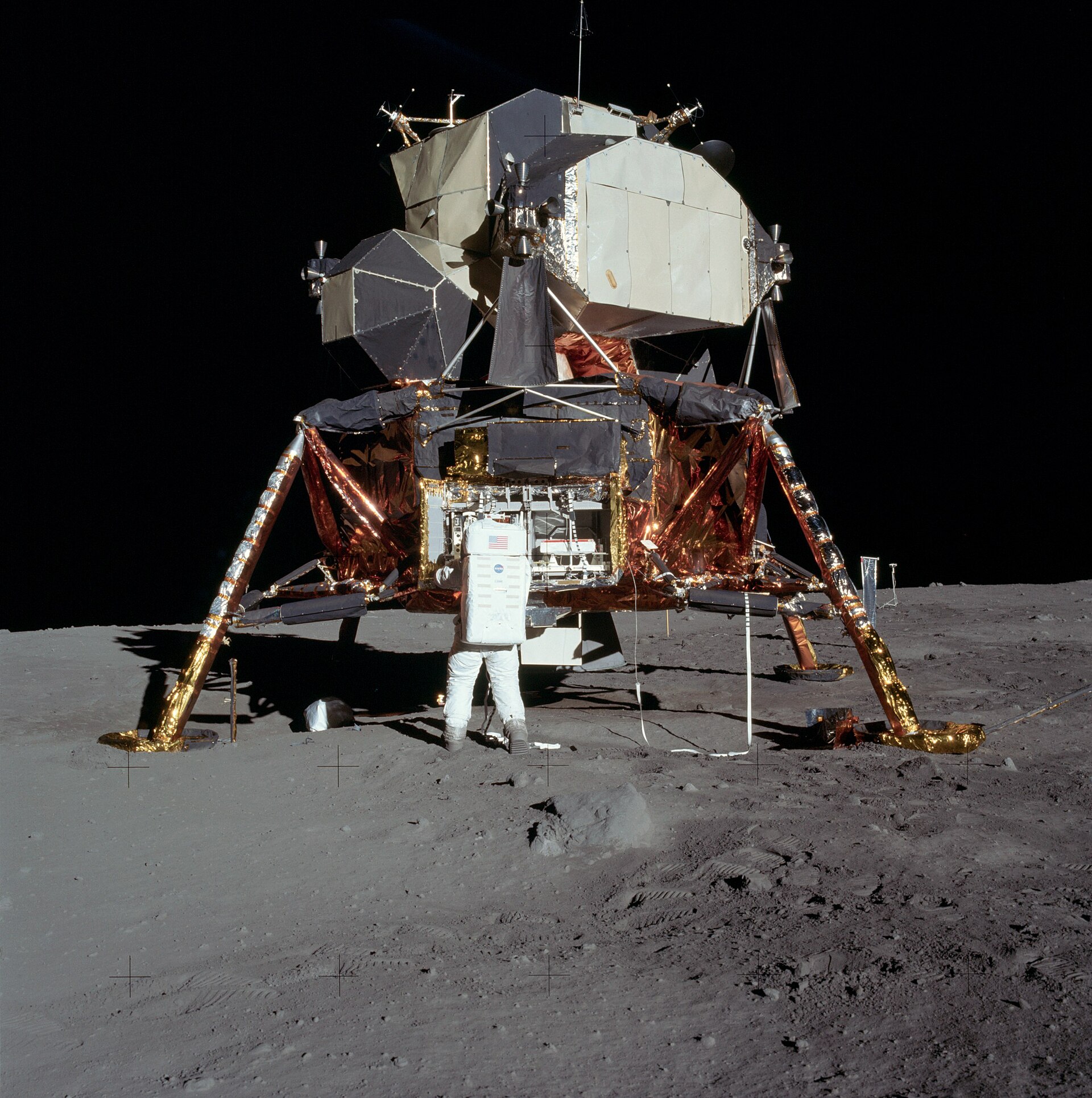
NASA has relied on a pressurized ballpoint pen, not a pencil, to let astronauts write in space since Apollo 7 in 1968, according to a NASA Spinoff feature. The Fisher Space Pen made its television debut that October when Apollo 7 commander Walter Schirra used it to demonstrate weightlessness, per NASA's account.
NASA rejected pencils for spaceflight because graphite tips could break off and float freely inside a cabin, creating a hazard to astronauts and to sensitive spacecraft electronics, according to the report. The agency's Manned Spacecraft Center, now Johnson Space Center, tested the Fisher pen extensively before adopting it.
How the pen works
Inventor Paul Fisher's design, originally called the AG7 for "anti-gravity," uses a sealed cartridge pressurized with nitrogen, with a tiny piston pushing the ink toward the tip. The ink itself is thixotropic — nearly solid until friction from writing liquefies it — which prevents leaks, per NASA Spinoff. A single cartridge can draw a solid line more than three miles long, far exceeding NASA's original half-kilometer requirement.
The pen has flown on every crewed NASA mission since Apollo 7, and dozens are aboard the International Space Station today, according to the report. Cosmonauts have used Space Pens since 1969 as well, which NASA Spinoff notes debunks the popular myth that the pen was solely a NASA-funded project built at government expense.
The framing
"The original ballpoints were terrible," said Cary Fisher, the company's current president, describing the writing instruments available before his father's design, according to NASA Spinoff. He also said he initially disliked the "Space Pen" branding: "I thought it was a terrible name...I said it's going to sound like a toy."
What it signals
The Fisher Space Pen was inducted into the Space Technology Hall of Fame in 2021, more than five decades after its first flight — a recognition that reflects how a single engineering fix for a narrow hazard (floating graphite) became durable enough to remain unchanged as mission-critical equipment across the entire crewed spaceflight era, from Apollo through the ISS. The company still hand-produces roughly 80 pen models and more than a million units a year from Boulder City, Nevada, with about 60 employees, according to NASA Spinoff.
US In News compiled this archived account from contemporaneous coverage by NASA Spinoff. It restores a story originally published on this site in August 2021; figures are as reported at the time.