He's watching L.A. homelessness destroy the Ballona Wetlands
Scott Culbertson of Friends of the Ballona Wetlands has documented needles, trash trails and a five-acre brush fire in the last significant wetland inside Los Angeles city limits, as advocates on both sides describe a conservation crisis with no easy fix.
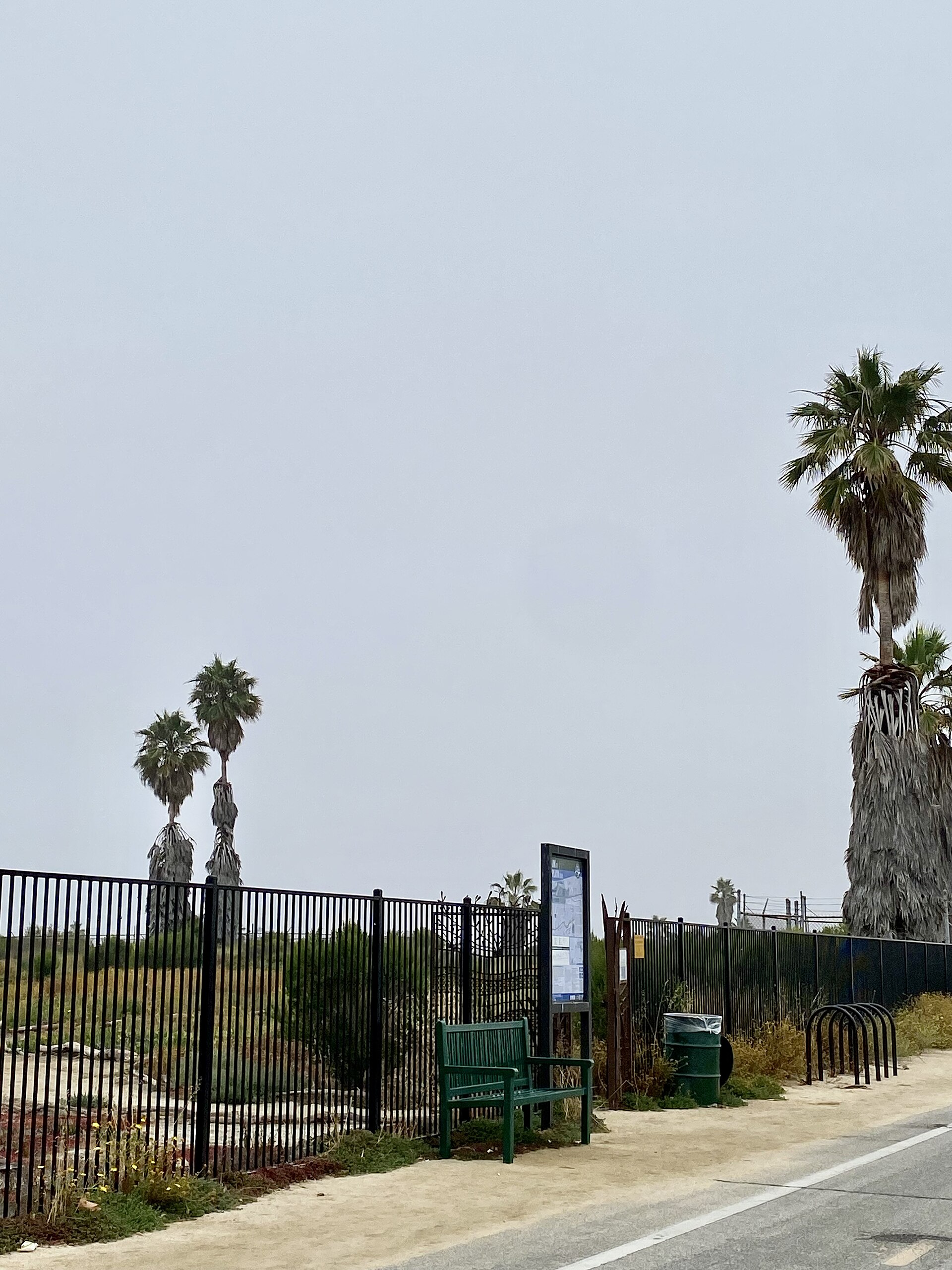
Scott Culbertson, executive director of Friends of the Ballona Wetlands, has spent recent seasons documenting damage to the Ballona Wetlands Ecological Reserve — the last significant wetland remaining inside Los Angeles city limits and the second-largest open space in the city behind Griffith Park — as homeless encampments have expanded into the fragile marsh.
"Individuals are entering the marsh to bathe. Dogs are being let loose to chase wildlife. We've seen needles," Culbertson said, describing damage that conservationists say could take years to reverse and, in some cases, may not be fixable at all.
The scale of the encampments is small relative to other parts of the city — a relatively modest population, compared with roughly 2,000 people camping a few miles away in Venice, according to reporting on the situation — but the location makes the impact disproportionate: the campers are inside or adjacent to a protected ecological reserve rather than a city street.
What the damage looks like
Reported damage includes a brush fire in March 2021 that scorched roughly five acres of native willow trees and vegetation, with a homeless person cited as the likely source; overflowing trash and litter trails leading down to the water; septic-tank dumping on nearby streets; cut-down trees; and wooden fences and signage repeatedly torn down. Catherine Tyrrell, president of the Ballona Wetlands Conservancy, said wildlife workers "don't feel safe" going into some affected areas.
The other side of the marsh
People living in the encampments pushed back on the framing of the conflict. "Just because you're forced to live outside doesn't mean you got to be a pig about it," said Wendy Lockett, a homeless resident of the area, distancing herself from the damage even while living nearby. Another resident, Stephen Gilbert, described taking an interest in observing the birds and wildlife around him rather than disturbing them.
What it signals
The California Department of Fish and Wildlife, which manages the reserve, has worked with the Los Angeles Police Department and the office of then-City Councilman Mike Bonin to move tent campers out of the marsh — but the case illustrates a recurring tension in coastal California cities: a housing and mental-health crisis colliding with protected, ecologically sensitive land that has no equivalent capacity to absorb it, leaving conservationists and unhoused residents describing the same acreage in starkly different terms.
US In News compiled this archived account from contemporaneous coverage citing Friends of the Ballona Wetlands and the Ballona Wetlands Conservancy. It restores a story originally published on this site in 2021; figures are as reported at the time.