Boeing blasted for 'absurd' lack of cooperation in Alaska Airlines blowout probe
NTSB Chair Jennifer Homendy told senators Boeing still cannot produce records showing how a 737 MAX 9 left its factory missing the four bolts that should have secured a door plug.
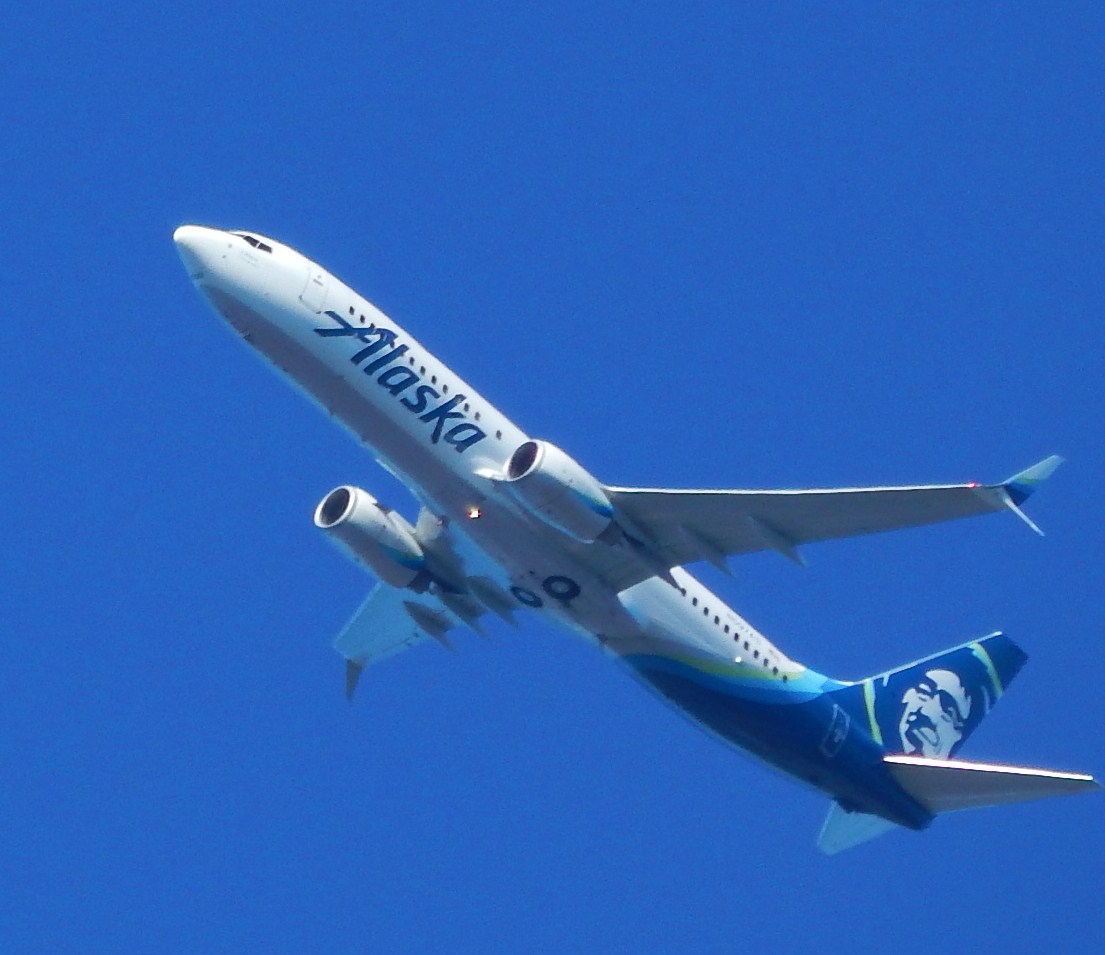
Boeing still cannot show investigators how a 737 MAX 9 left its factory missing four bolts that were supposed to secure a door-plug panel — the same panel that blew off Alaska Airlines Flight 1282 in mid-air on January 5, 2024. National Transportation Safety Board Chair Jennifer Homendy told the Senate Commerce Committee on March 7, 2024, that Boeing has produced no documentation of the work, more than two months after the blowout. "It's absurd that two months later we don't have that," Homendy said.
Homendy said the NTSB has "asked repeatedly" for the records. "We've asked repeatedly for that information. It's not for lack of trying," she told the committee, according to Fortune's report on the hearing. Boeing, for its part, told investigators that if the door-plug removal was never documented in the first place, there is nothing to hand over: the company said "if the door plug removal was undocumented there would be no documentation to share."
What investigators say happened
The panel detached above Portland, Oregon, shortly after the Alaska Airlines flight took off on January 5. Investigators believe the relevant work on the door plug likely occurred around mid-September 2023, while the aircraft was still at Boeing's factory. The NTSB says it has been unable to locate 25 Boeing workers assigned to the 737 doors for interviews. Complicating the paper trail further, Boeing keeps records across two separate systems, which investigators say may be contributing to the documentation gap. Of the workers who may have done the relevant work, three were reportedly contractors rather than employees of fuselage-maker Spirit AeroSystems, and a manager who could have been involved was on medical leave, according to Fortune's account of the hearing.
The pressure on Boeing
Senator Maria Cantwell reportedly pressed Boeing for additional information within 48 hours of the hearing. The scrutiny has coincided with a rough stretch for Boeing's stock, which was down roughly 23% for 2024 at the time of the hearing — the worst performer on the Dow, per Fortune's reporting. The Senate Commerce Committee hearing put Homendy's frustration on the public record in a way private NTSB-Boeing correspondence would not have, turning a documentation gap into a political liability for the company at the same moment its stock was already under pressure.
Why the paper trail matters
The NTSB's inability to locate 25 Boeing workers assigned to 737 doors compounds the documentation problem: even if records existed, the people who could speak to them are not readily available for interview. Investigators' focus on mid-September 2023 as the likely window for the door-plug work means the gap sits specifically at the factory stage, before the aircraft was delivered to Alaska Airlines — the exact point where a functioning paper trail should have flagged missing bolts before the plane ever left Boeing's facility.
What it signals
A missing bolt is a manufacturing defect; a missing paper trail is a process failure that is harder to fix with a single corrective action. Homendy's frustration points to a deeper problem than one panel on one airplane — if Boeing's own systems cannot reliably show which workers touched safety-critical hardware and when, that gap undermines the traceability the entire aviation safety framework depends on. It also puts Boeing in the position of having to prove a negative to a skeptical Congress at the same time its stock is already pricing in doubt about the company's manufacturing discipline.
US In News compiled this archived account from contemporaneous coverage by Fortune. It restores a story originally published on this site in March 2024; figures are as reported at the time.