Biden warns Americans will lose unemployment benefits if they turn down suitable jobs
The president's Monday remarks came after an April jobs report that fell far short of forecasts and as Republicans blamed his relief package for discouraging a return to work.
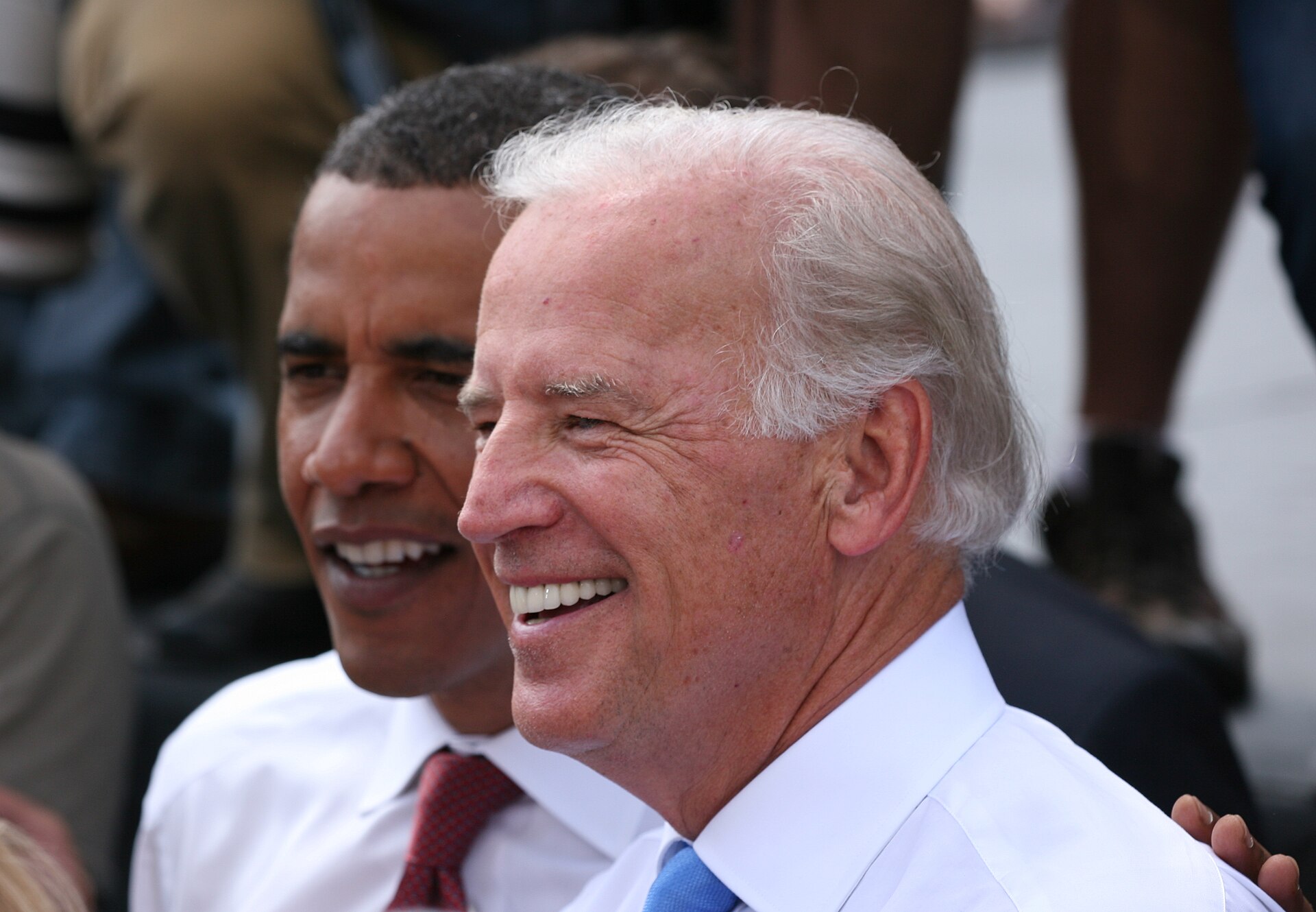
President Biden said Monday that Americans collecting unemployment benefits must accept a "suitable" job if one is offered to them or lose those benefits, according to NPR's coverage of his remarks. "We're going to make it clear that anyone collecting unemployment, who was offered a suitable job, must take the job or lose their unemployment benefits," Biden said.
The statement followed a disappointing April jobs report, which showed the economy adding 260,000 jobs against forecasts of roughly 1 million, per NPR. Some employers said they were struggling to find workers, and Republican critics pointed to enhanced federal unemployment benefits under the American Rescue Plan as a disincentive to return to work.
Biden pushed back directly on that argument. "We don't see much evidence of that," he said, according to NPR, while still directing his administration to enforce existing rules requiring benefit recipients to accept suitable work. The available reporting does not specify exactly how the administration planned to identify or enforce cases of workers improperly declining suitable offers.
The political fight over the relief package
The $1.9 trillion American Rescue Plan, which included the expanded unemployment benefits at the center of the dispute, passed without any Republican votes. House Ways and Means Committee Republican leadership, quoted in NPR's coverage, called the April jobs numbers a "stunning economic setback" and blamed Biden's policies for undercutting the recovery. Republicans further argued, per the same coverage, that the government was in effect "paying 4 in 10 jobless more to stay home than to return to work."
Biden's framing
Biden did not concede that his relief plan was responsible for the hiring shortfall. He instead urged employers to raise wages to attract workers and defended the broader recovery effort, while acknowledging the scale of pandemic-era job losses — NPR's coverage notes he cited roughly 22 million jobs lost during the pandemic — as the backdrop for why he was not abandoning benefit support for people still out of work.
What wasn't resolved
The retrieved coverage does not detail the specific mechanics of how states would flag a worker's refusal of a "suitable" job offer, what counted as suitable, or how quickly any enforcement changes would take effect. Those operational details were left to state unemployment agencies, which were not addressed in the source material reviewed for this account.
US In News compiled this archived account from contemporaneous coverage by NPR. It restores a story originally published on this site in May 2021; figures are as reported at the time.